
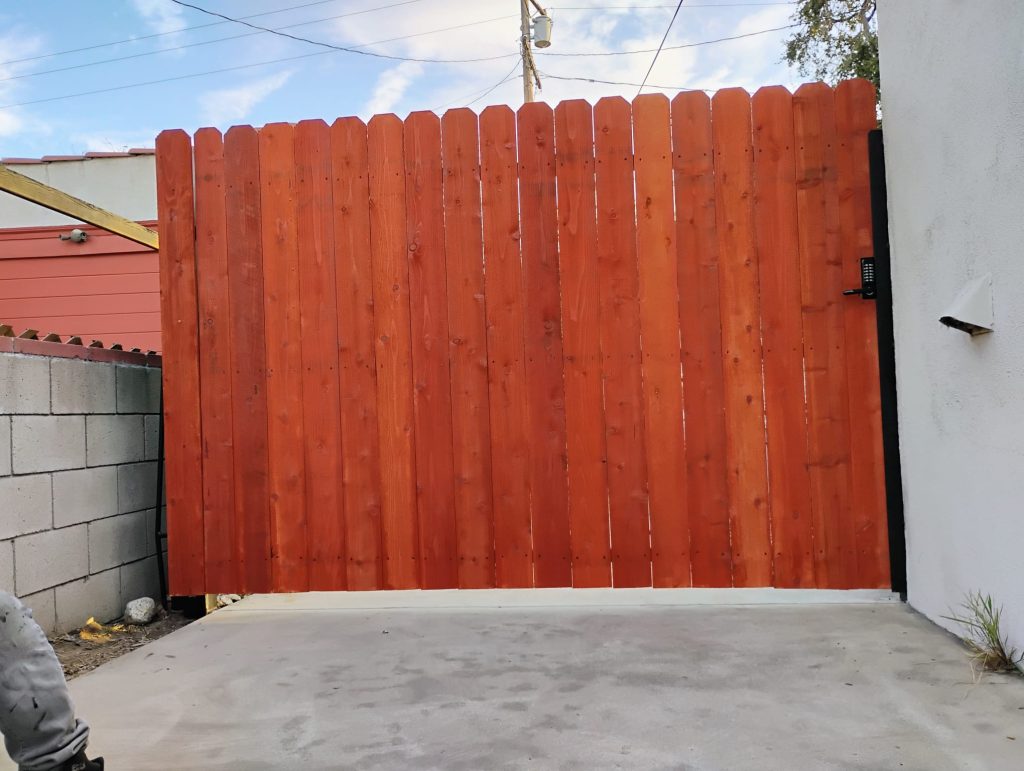
Quick answer: Many electric gate problems have simple DIY fixes — a dead remote battery, a tripped breaker, dirty or misaligned sensors, or a track that needs cleaning and lubrication. But anything involving the motor, wiring, or control board should be left to a professional. Always disconnect the power before you touch anything.
Electric gates add convenience, security, and a touch of sophistication to any home or business. But like any electrical and mechanical system, they run into occasional issues. A gate that won’t open, a motor that hums without moving, or a track that squeaks louder every week — these problems are frustrating, yet many of them have straightforward solutions.
Whether you’re a seasoned DIYer or just getting started, the tips below will help you maintain your gate, troubleshoot common faults, and recognize when it’s time to call a professional. You’ll learn which repairs are safe to tackle yourself, which ones need expert tools, and how a little regular upkeep can save you from a costly breakdown.
When a repair goes beyond a simple fix, D-One Garage Doors And Gates – a trusted name for electric gate repair in Burbank and the greater Los Angeles area — is here to help.
Safety First: What to Do Before You Touch Anything
Electric gates combine heavy moving parts with live electrical systems, so safety comes first every time. Disconnect the power source before performing any maintenance or repair. This single step prevents the most common, and most serious – DIY accidents.
Wear gloves, keep your fingers clear of hinges and rollers, and stay mindful of the gate’s weight. If a task feels beyond your comfort level, stop and call a technician. No repair is worth an injury.
My Electric Gate Won't Open — What Should I Check First?
It sounds obvious, but the simplest solution is often the right one. If your gate won’t respond, work through these checks in order:
- Replace the remote battery. A fresh battery solves a surprising number of “dead gate” calls.
- Check the circuit breaker. A tripped breaker cuts power to the whole system. Reset it if needed.
- Look for obstructions. Anything blocking the gate’s path or the sensor beam will stop it from operating.
- Test the keypad or app. If the remote is dead but the keypad works, the issue is the remote, not the gate.
If the gate still won’t open after these checks, the problem may be the motor or control board, and that’s where a professional comes in.
Why Does My Gate Motor Hum but Not Move?
If the motor makes a humming sound but the gate stays put, power is reaching the motor but something is stopping it from driving the gate. Start by checking the circuit breaker and reset it if it’s tripped.
If the humming continues, the issue often lies with the motor itself or its connection to the power source. Motor problems frequently require replacement parts or advanced tools that DIY methods can’t handle safely. When a reset doesn’t solve it, contact an expert technician for a diagnosis before the strain damages the motor further.
How Do I Keep My Electric Gate's Track Clean?
A clean track is one of the easiest and most effective maintenance habits you can build. Debris, grime, and buildup on the rollers and track are common causes of a gate that drags, sticks, or grows noisy.
Once a month, wipe the track down with a damp cloth to remove dirt and debris, then check the rollers for wear or damage. Keeping these components clean ensures smoother operation and can significantly extend the life of your gate opener and motor.
Why Is My Electric Gate So Noisy?
Rising noise levels are usually an early warning sign — most often a lack of lubrication or a component that’s drifted out of adjustment. Apply a proper lubricant to the moving parts, then check that nothing has come loose.
Addressing noise early prevents the extra wear that leads to motor strain and more expensive repairs down the line. Think of a noisy gate as a request for attention before something breaks.
Which Electric Gate Repairs Are Safe to DIY?
Not every repair belongs in the DIY category. Here’s a quick rule of thumb to help you decide.
Safe to DIY:
- Replacing remote batteries
- Cleaning sensors and tracks
- Clearing obstructions
- Basic lubrication
- Resetting a tripped breaker
Call a professional:
- Motor or operator faults
- Wiring or control-board issues
- A gate off its track
- Anything that doesn’t resolve after basic checks
Electric gates carry real mechanical force and live electricity. Once a repair moves past cleaning, tightening, or a battery swap, a trained technician is the safe choice.
Why Choose D-One for Electric Gate Repair?
When a fault is beyond a simple fix, D-One Garage Doors And Gates brings several advantages to every job:
- All gate types and materials — wood, iron, aluminum, swing, and sliding gates.
- Fast local response across Burbank and the greater Los Angeles area.
- Licensed and insured work, so you’re protected during the repair.
- Full gate systems — motors, sensors, keypads, openers, and intercom systems for complete access control.
Keep Your Gate Running for Years to Come
Regular cleaning, lubrication, and quick attention to small problems will keep your electric gate running smoothly for years. Most of the fixes above take only a few minutes and a little care — just remember to disconnect the power before you begin.
When a fault is beyond a simple DIY fix, D-One Garage Doors And Gates provides trusted electric gate repair in Burbank and across Los Angeles — for every gate type and system. Reach out for a fast, licensed, and insured repair whenever you need one.