
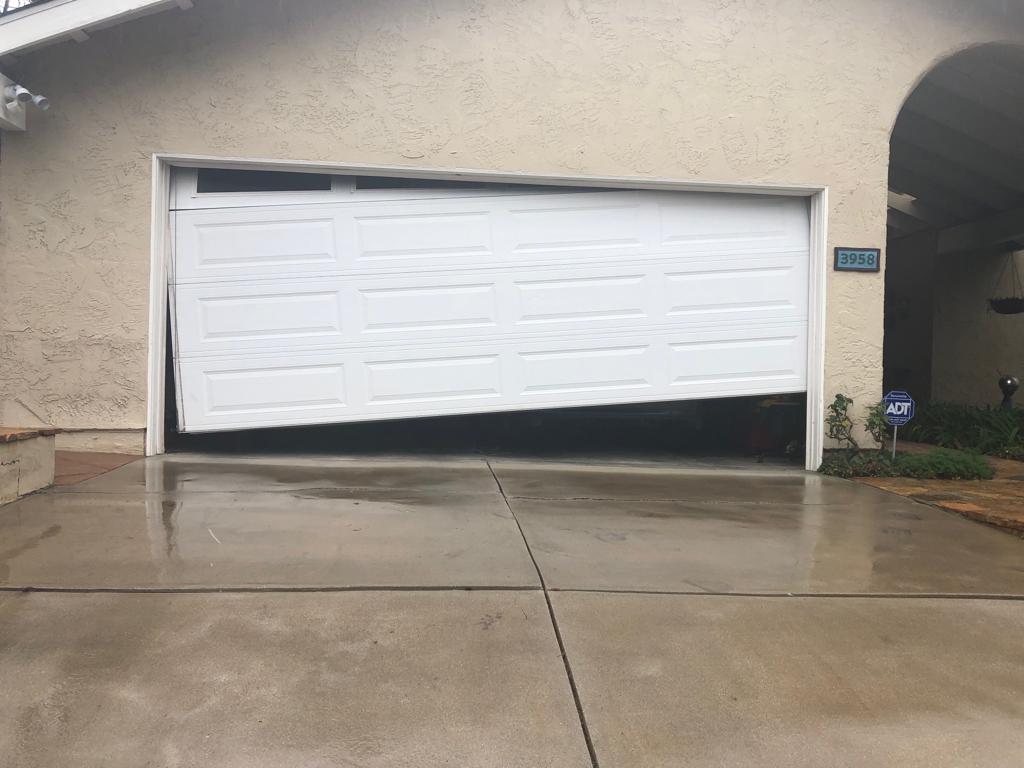
Most garage door failures stem from misaligned safety sensors, which homeowners can fix for free in minutes. However, severe issues like broken springs or grinding tracks pose major safety risks and require immediate professional repair to prevent severe injuries or costly motor damage.
Your garage door just stopped working, and you are stuck. You have places to be, and you need a fast, accurate answer to get your door moving again. You do not need a sales pitch; you need to know exactly what is wrong, if you can fix it yourself, and what to do next.
A malfunctioning garage door is incredibly frustrating, especially when your car is trapped inside. Homeowners often panic, assuming the entire system needs replacing. The reality is that many common issues are highly specific and simple to diagnose once you know what to look for.
This guide covers the most frequent problems Burbank homeowners experience. We provide honest, straightforward explanations of the underlying mechanical issues. You will learn exactly what to check, what you can safely adjust on your own, and when you absolutely need to call a professional technician.
Why won’t my garage door close?
The door goes up fine but stops, reverses, or refuses to close completely.
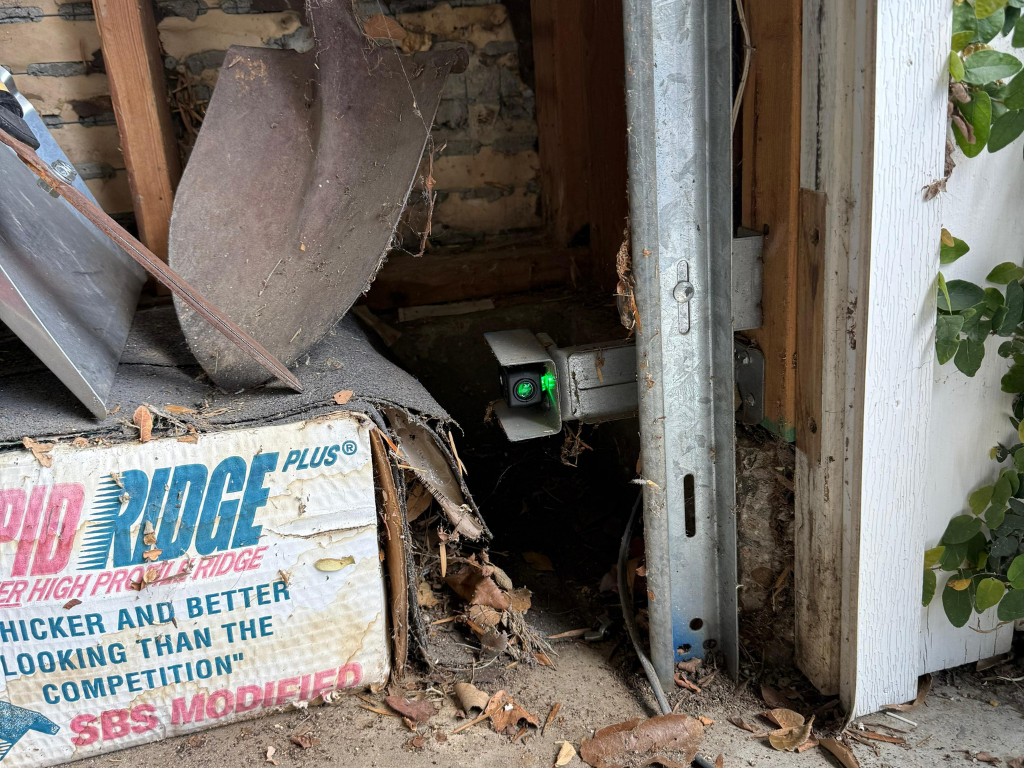
In 90% of cases, this specific behavior indicates a sensor problem. Your garage door system features two small safety sensors at the bottom of the door tracks. One sensor sends an invisible infrared beam to the other, which receives the beam. If anything blocks, dirties, or misaligns that beam, the garage door opener refuses to close the door as a built-in safety measure.
Before calling a repair company, check these three things yourself:
- Alignment: Both sensor lights should display a solid color, not blinking. If one sensor light is blinking, gently re-aim the device with your hand until the light becomes solid.
- Obstruction: A stray leaf, excess dirt, or a spider web across the sensor lens will break the beam and trigger a dead stop. Clean both sensor lenses with a clean, dry cloth.
- Sunlight interference: Direct afternoon sunlight can confuse the receiving sensor. This is incredibly common in Burbank during the summer months. Temporarily shade the sensors with your hand or a piece of cardboard to test if sunlight is the culprit.
If the safety sensors are perfectly aligned and clean, but the door still refuses to close, the limit switch or the logic board inside the opener motor may be failing. At that point, you need a professional technician to diagnose the electrical components.
Why is my garage door making loud noises?
Grinding, squeaking, banging, and rattling sounds all point to different mechanical failures. You can diagnose the problem by listening closely to the specific noise.
Here is a direct translation of what your garage door is telling you:
- Squeaking or squealing: You have dry rollers or hinges. Fix this by spraying a high-quality silicone lubricant directly on the rollers, hinges, and springs. Do not use WD-40, because it attracts dirt and will gunk up your tracks.
- Grinding: Worn metal rollers are grinding against the metal track, or your chain drive opener desperately needs lubrication. Choose nylon rollers if you decide to replace them for a much quieter operation.
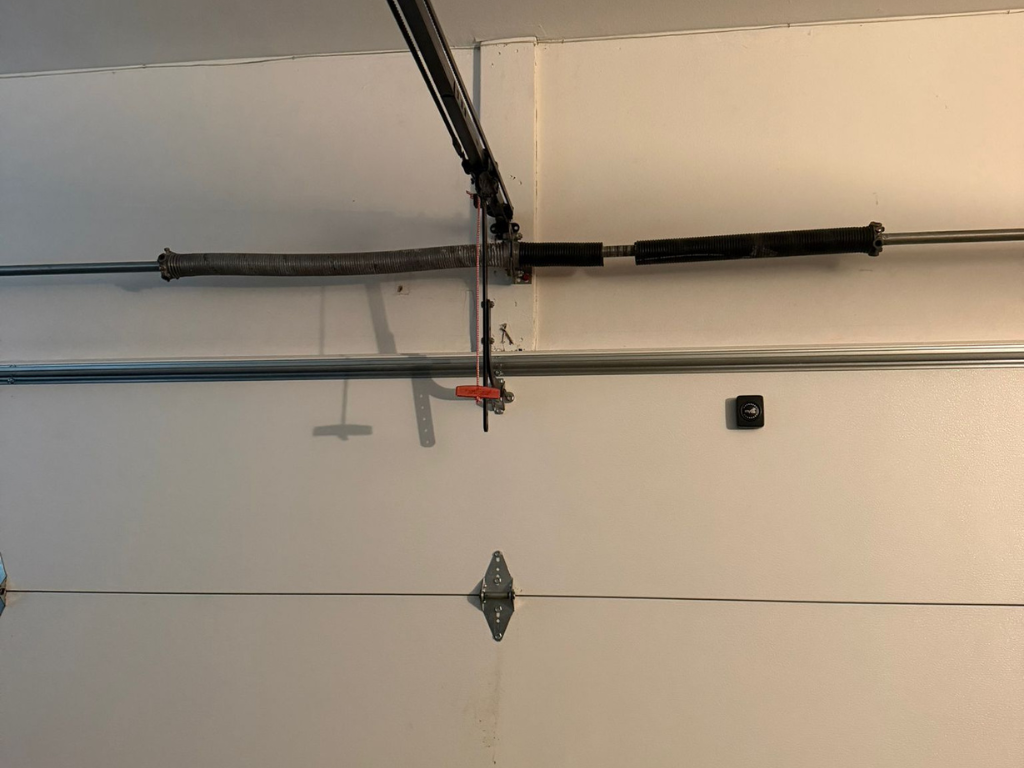
- Loud bang or pop: A torsion spring just broke. Stop using the garage door immediately. This is never a DIY repair, because garage door springs operate under massive tension and can cause fatal injuries if handled incorrectly.
- Rattling: You have loose hardware. Take a socket wrench and tighten the nuts and bolts on the track brackets. This simple maintenance takes about 10 minutes.
- Rumbling or vibration: The garage door opener motor is straining because the door is unbalanced. Disconnect the opener motor and lift the door manually to the halfway point. If the door forcefully drifts up or falls down, the springs require professional adjustment.
Can I open my garage door with a broken spring?
No. You should never use your garage door if a spring is broken.
Torsion and extension springs carry the entire weight of the garage door, which typically weighs between 150 and 300 lbs. When a spring breaks, that massive, dead weight immediately transfers to the opener motor. Using the door in this state will burn out the opener motor within days. You will quickly turn a $175 spring repair into a $650-plus spring and opener replacement job.
You also risk the door crashing down on your vehicle or a family member. Garage doors without functioning springs drop incredibly fast and hit the ground hard.
In a strict emergency where you must get a car out, you can open the door manually. Pull the red emergency release cord and lift the door by hand. It will be exceptionally heavy, so use proper lifting techniques. Once the vehicle is out, close the door carefully and stop using it entirely until a professional repairs the broken spring.
What do the blinking lights on my garage door opener mean?
When your garage door opener blinks but the door refuses to move, the machine is flashing a diagnostic error code.
Here are the most common opener brands and their corresponding blink codes:
- LiftMaster and Chamberlain (5 blinks): Sensor obstruction. Check and clean the safety sensors at the bottom of the tracks.
- LiftMaster and Chamberlain (4 blinks): Sensor wiring issue. Inspect the system for damaged, pinched, or disconnected wires at the sensor base.
- LiftMaster and Chamberlain (1 blink): The travel limit is set incorrectly. The opener motor does not know where the floor is. You must adjust the travel limits directly on the opener unit.
- Genie (Rapid blinking): This usually indicates a safety sensor issue. Follow the same sensor diagnosis steps listed above.
- Craftsman (3 blinks): You have a broken or disconnected safety reversing sensor.
For any specific opener brand, locate your exact model number on the motor housing. Search online for “[brand] [model] blink codes” to find the precise diagnostic table. According to Chamberlain Group, LiftMaster publicly posts all their updated diagnostic codes at myq.com/support.
Why does my garage door go up but not come down?
If the opener works perfectly going up, but pressing the button to close does nothing, you are almost always dealing with one of three specific issues:
- Blocked safety sensors: This is the most common culprit. Check if one sensor light is blinking, which means the safety beam is broken.
- Down-limit set too far: The opener motor thinks the floor is further down than it actually is. It tries to push past the concrete, hits resistance, and immediately reverses. Adjust the down-limit setting using the screw labeled ‘Down’ or ‘Close’ on the main motor unit.
- Close-force set too low: The door hits normal resistance and reverses because the force safety setting is overly sensitive. Adjust the ‘Close Force’ or ‘Down Force’ dial on the opener to give the motor more pushing power.
If you adjust these settings and the door still reverses instantly, disconnect the opener by pulling the red cord and try closing the door manually. If it closes smoothly by hand, the fault lies within the opener settings or the logic board. If it binds or sticks while closing by hand, you have a physical obstruction like a bent track or a failing roller.
How do I fix a malfunctioning garage door safety sensor?
Sensors fail for four primary reasons. Check them in this exact order to resolve the issue efficiently:
- Step 1 (Alignment): Loosen the wing nut holding the blinking sensor. Gently tilt the housing until the indicator light turns solid, then retighten the nut.
- Step 2 (Obstruction): Wipe the glass lens with a clean, dry cloth. Dust, dirt, and cobwebs are the top causes of blinking safety sensors.
- Step 3 (Wiring): Trace the thin wire from the sensor all the way up to the motor. Look for metal staples that have pierced the wire casing, sharp kinks, or disconnected terminals. A white/white wire goes to the white terminal; a white/black wire goes to the black terminal.
- Step 4 (Sunlight): If your door only gets stuck during certain times of the afternoon, sunlight is blinding the receiving sensor (the one with the green light). Install a small cardboard tube or shade around the receiving sensor to block the glare.
If you complete all four steps and the sensor still blinks, the electronic unit is dead. You need to purchase a replacement pair. Replacement sensors must match your specific opener brand, cost around $20 to $40 at hardware stores, and take about 20 minutes to install.
Why is my garage door opener motor straining or stopping?
When the motor sounds like it is struggling, moves sluggishly, or stops completely mid-cycle, the door is simply too heavy for the opener to lift.
This dangerous strain happens because of the following reasons:
- Broken or weak springs: Your springs do 90% of the actual lifting. A failing spring shifts that massive weight onto the motor. Test this by disconnecting the opener and lifting the door manually to waist height. If you let go and the door drops to the floor, your springs have lost tension and require immediate replacement.
- Worn rollers: Decaying metal rollers create severe friction inside the tracks. Replace them with nylon rollers, which cost between $30 and $80 for a full set, to achieve dramatically smoother operation.
- Bent or out-of-plumb tracks: The garage door is binding inside the metal track. Look straight down the track from the side. It should be perfectly vertical and straight. Any gap between the roller and the track indicates a severe alignment problem.
- Force settings too low: Opener motors are programmed to stop if they sense unusual resistance. If your force setting is too conservative, the motor stops prematurely. You can safely increase the force dials on the motor unit slightly.
If the motor completely stops and refuses to run at all, the thermal overload cutout has likely tripped to prevent a fire. This safety feature resets automatically after 15 minutes. However, a tripped thermal overload means you are running the motor much harder than intended, and the root cause is almost always failing springs.
Call the Burbank Garage Door Experts
Your garage door is the largest moving mechanical system in your home. While you can easily clean sensors and lubricate hinges on your own, tackling heavy springs, bent tracks, or electrical logic boards requires specialized tools and training. Ignoring heavy strain on your motor or attempting to bypass broken springs will inevitably lead to massive repair bills and serious safety hazards.
If your garage door is acting up and the DIY fixes above do not solve the problem, you need immediate, professional assistance.
Choose D-One Garage Doors And Gates Burbank if you want the job done safely and correctly. We serve all of Burbank with honest, straightforward pricing and dependable service.
Need a technician in Burbank right now? Contact D-One Garage Doors And Gates today for same-day service, a free estimate, and reliable 24/7 emergency repairs.
Frequently Asked Questions
How much does it cost to fix a broken garage door spring?
Replacing a broken garage door spring typically costs between $150 and $300, depending on the size and weight of your door. This cost includes the replacement spring and the professional labor required to safely tension the new hardware.
How long does a typical garage door repair take?
Most standard repairs, such as replacing a broken torsion spring, realigning tracks, or swapping out safety sensors, take an experienced professional about 45 minutes to two hours to complete.
What are the risks of repairing a garage door myself?
The biggest risk involves the torsion springs, which hold enough stored kinetic energy to break bones or cause fatal injuries if they snap or unwind uncontrollably. Additionally, improperly repairing the tracks or motor can cause the 300-lb door to collapse unexpectedly.
Are nylon garage door rollers better than metal ones?
Yes. Choose nylon rollers if you want a significantly quieter and smoother garage door operation. Nylon rollers do not require heavy lubrication, they do not grind against the metal tracks, and they typically last years longer than standard metal rollers.